

topthreewool
Add a review FollowOverview
-
Founded Date 17 mars 1983
-
Posted Jobs 0
-
Viewed 8
Company Description
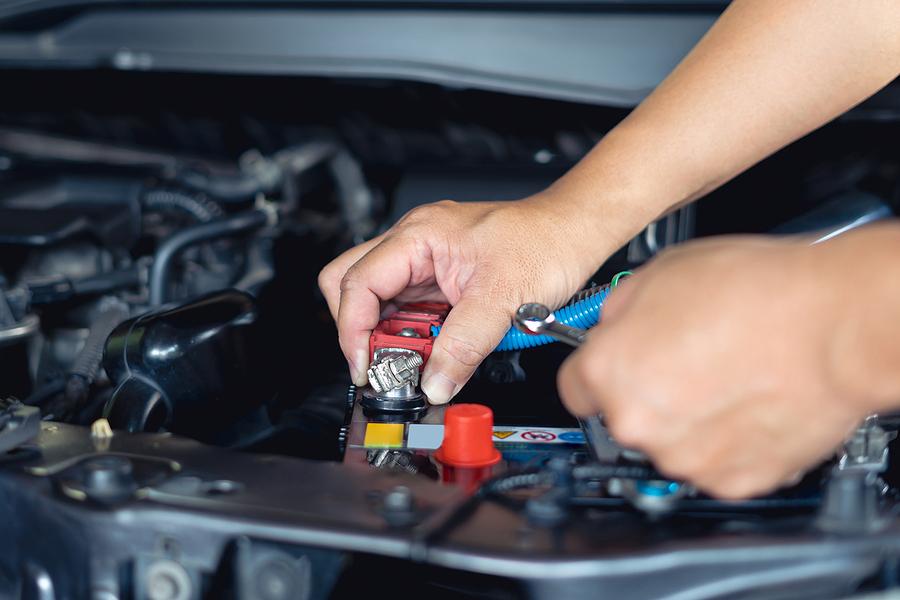 The production and disposal of EV batteries do have an impact on the environment, so the answer is no. Additionally, a significant carbon footprint results from the fact that many EVs are produced in China, where coal is the primary source of electricity. Lastly, another significant environmental concern is how they are disposed of. The manufacture and disposal of EV batteries does have an environmental impact so, yes, they are not exactly eco-friendly.
EVs are still, nevertheless, the most environmentally friendly choice available. Additionally, these materials must travel a considerable distance to the factories where they are transformed into the finished battery. Toxic chemicals are used in the production of lithium-ion batteries, and local ecosystems and rainforests must be destroyed in order to mine materials like cobalt, nickel, aluminum, copper, and rare earth minerals.
Their environmental impact is half that of conventional vehicles. Are EV batteries environmentally friendly? The battery’s lifespan can be shortened by extreme temperatures, either hot or cold, as they accelerate the breakdown of the chemicals within. The most recent models of electric cars, however, are built to withstand these circumstances; some manufacturers even use specialized cooling systems to control the battery’s temperature.
Climate has an impact on the longevity of electric car batteries in addition to driving habits. Understanding your charging habits and maintaining the battery’s comfort zone constitute a different type of responsibility that comes with the trade-off. A typical visit might involve a tire rotation, a multi-point inspection, https://autopowercare.com/the-pre-owned-hybrid-battery-inspection-protocol-a-field-engineering-checklist/ and a software check. It is a quiet, reliable partner in the background. However, compared to conventional maintenance, even that is less taxing.
For many drivers, the ease of maintaining an EV battery is a key selling point. Over the course of the vehicle’s life, the majority of manufacturers advise little more than sporadic visual inspections or software updates. This implies that there won’t be any topping off, draining, or messy filters to change every 5,000 miles. This means that you, the driver, will have a lot fewer regular service appointments.
You can concentrate more on routine maintenance for all cars, such as tire rotations, brake fluid checks, and cabin air filter replacements. Rather, your EV’s high-voltage battery is a sealed device intended to function with the least amount of interference. Charging, temperature regulation, and general health monitoring are all automatically handled by the battery management system. As the world continues to shift towards more sustainable modes of transportation, electric cars have become an increasingly popular choice for environmentally conscious drivers.
By using the electric motor as a brake, this technology – which is present in the majority of electric cars – helps slow down the car while reducing wear and tear on the battery and brakes.